Herman & Ciara
RAI Amsterdam

Branche: Professional Services | Reading time: 2 min.
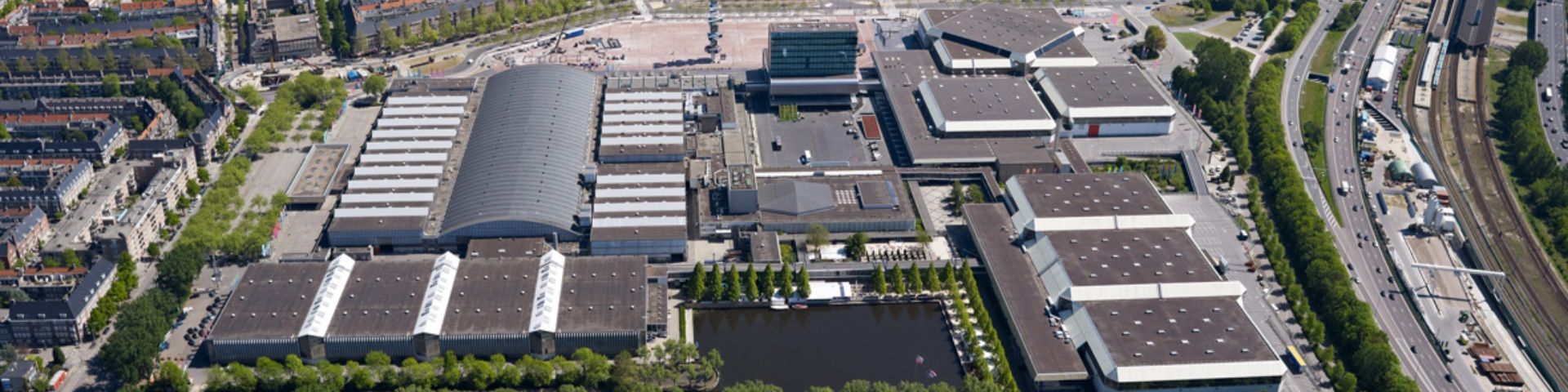
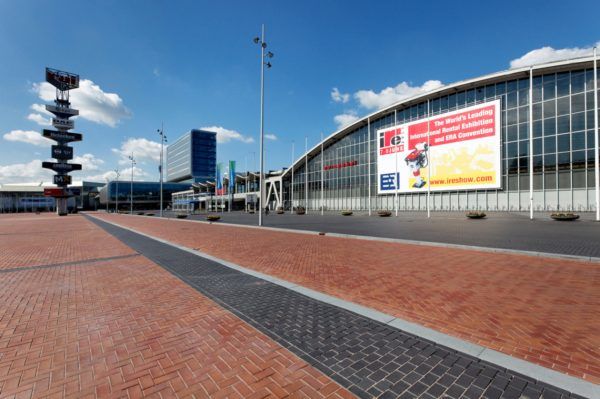
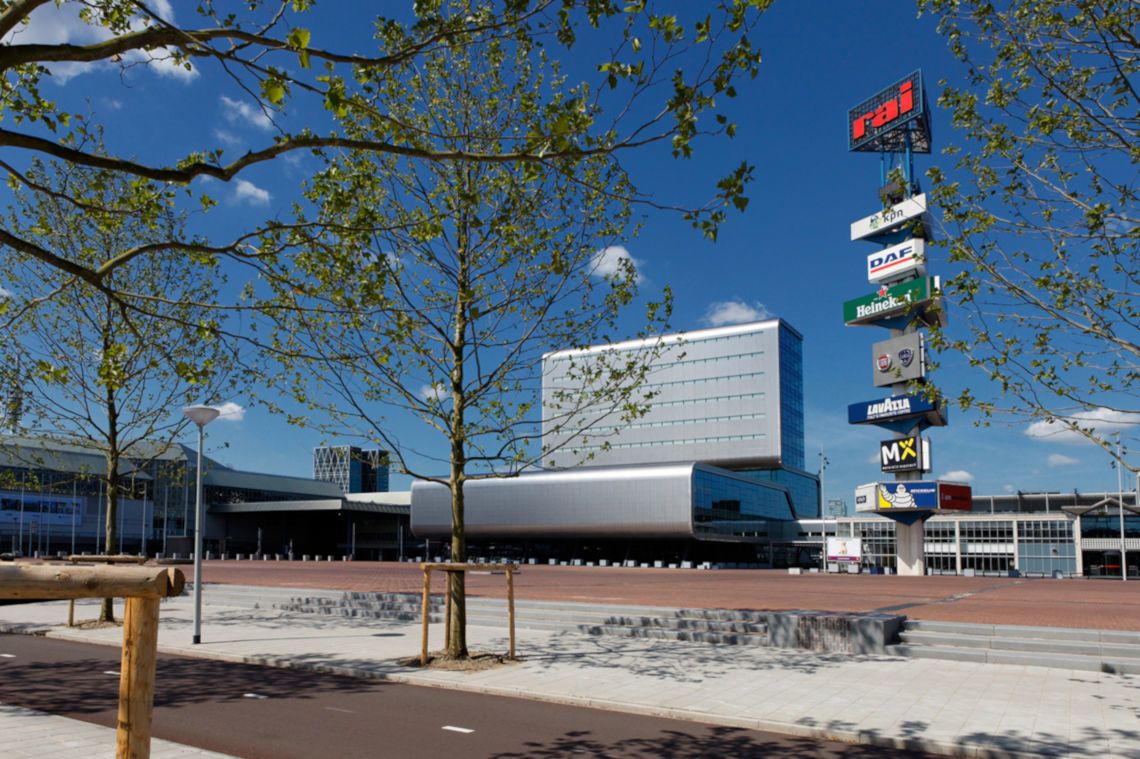
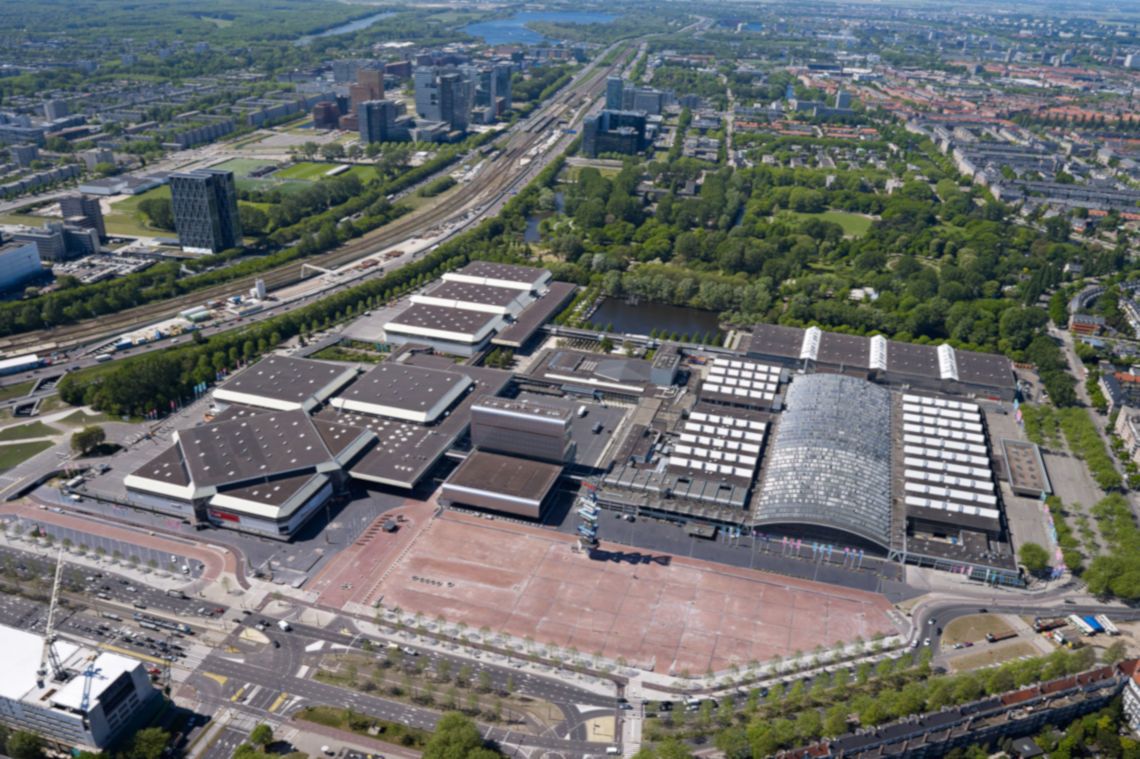
There’s certainly no lack of dynamism at RAI Amsterdam, with over 500 events and more than 1,000 smaller congresses, presentations and meetings that attract around 1.6 million visitors a year. RAI Amsterdam’s Technical Services Department keeps everything running smoothly, and makes sure alerts and faults are resolved ‘just in time’. This success is partly due to the CAFM and its dashboard, which were developed together with Facilitor.
Herman & Ciara
RAI Amsterdam
I’m in control of things
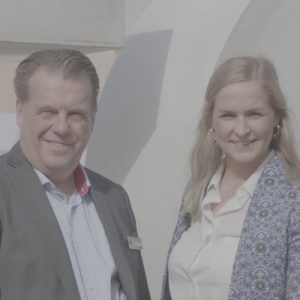
A leak? A clogged toilet? Too hot? Too cold? RAI Amsterdam’s Technical Services Department is the first point of contact. ‘Alerts are received by the Front Office Department, where they’re processed and entered in Facilitor’s CAFM,’ explains Herman Nietvelt, Technical Services Manager at RAI Amsterdam. The exhibition and conference organisation has been working satisfactorily for years thanks to the web-based solution supplied by Facilitor, a company from Twente (NL). ‘In addition to using Facilitor as an alert system, we also use it to manage our objects and buildings. It means we can see the exact maintenance history, which is important when we’re audited, for example,’ says Nietvelt. Despite the wide range of options, he needed information in even greater detail about the alerts. ‘Until recently, I always had to search for alerts and their status in the CAFM. I thought there must be a better way of going about it. I wanted a better overview and insight into incoming alerts.’ Facilitor helped look for a solution, and the result was a dashboard. ‘Ciara Overmars is our application administrator. Together with the people from Facilitor, she translated my wishes into the planning console, which is what we call the dashboard. Everybody has done a really fantastic job together. I want to offer all customers, whether visitors to an event or our own employees, the very best service, and solve their problems as quickly as possible. This means I also want to be able to inform them about the status and the solution of a problem at all times. This is now possible; I’m in control of things thanks to the planning console.’
I want to offer all customers, whether visitors to an event or our own employees, the very best service, and solve their problems as quickly as possible.
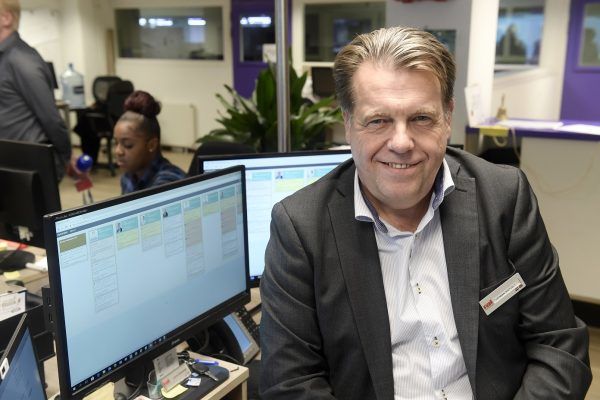
Herman Nietvelt, manager TS at RAI with dashboard
How does it work? Alerts are received at the Front Office, by phone or e-mail. Exhibitors can also enter their own alert in Facilitor, which is checked by the Back Office. This department then coordinates all the alerts, and assigns them to technicians in the CAFM according to availability and priority. ‘We distinguish four types of alerts in the dashboard; critical, high priority, normal, and low priority. The alert is linked to an SLA; critical alerts have a maximum lead time of four hours. The lead time of a high priority alert is one day, an alert labelled normal has to be resolved within ten days, and low priority alerts are dealt with within three months,’ Nietvelt explains. The alert is forwarded to the technician’s mobile device. ‘The Back Office assistant determines the priority, and forwards the alert. If it’s a high priority alert, the technician gets to work almost immediately. He or she accepts the alert, and the clock starts running. When the problem is solved, the technician reports it in Faclitor. A brief note about the solution can also be registered,’ says Nietvelt. Thanks to the dashboard, he has a clear overview of every aspect of activities, lead times, and who is active where. ‘This applies to both high priority work and planned work. For example, a technician might be scheduled to hang something up in the toilet at a certain time. The overview allows me to intervene promptly, if, for example, the technician required for the job is still working on another job with higher priority. In that case, we send the alert to another technician via the dashboard. It’s really useful; we can now see what all our technicians are doing in a single overview.’ Incidentally, technicians working on tasks with a normal or low priority can stop without any problems. ‘An example; a technician is putting up a mirror when a flood alert is received. The technician can then indicate via the planning console that they’re needed elsewhere, and the initial job is then put on hold in Facilitor. When the technician has solved the high-priority problem, the CAFM displays a pop-up and asks if they want to continue with the unfinished job. The technician just has to touch a button to continue with the assignment, and the clock starts running again. This allows us to keep a very up-to-date and accurate picture of every alert,’ says Nietvelt with a beaming smile. The technicians can also see an overview of their outstanding jobs on their smartphones. ‘This is shown in their overview in “my jobs”. These are generally lower priority tasks. The technician can personally decide when to carry out these assignments, as long as they complete them within the agreed period. Nietvelt also has a clear overview of this. ‘I see everything in real time, such as the problem and how many people are working on it. If the alert is red, it means it hasn’t been resolved within the agreed time, and I can intervene.’
Technical Services receives between 50 and 250 alerts every day. ‘We recently received the 100,000th alert, which we celebrated with cake. However, another 200 alerts came in even before the cake was finished,’ laughs Nietvelt. This shows how dynamic the situation is. ‘I want to provide my customers with the very best service. Everything has to run smoothly here; the electrical installations, the cooling, the heating, the water, the gas, and the escalators. As soon as a problem arises, it has to be resolved quickly and accurately. I see it this way; we’re only satisfied when our guests are satisfied, and there are no complaints about, for example, a room that’s too hot or too cold.’
By Martijn Louws; Facto Magazine, publication October 2018
Share this article