Marijn & John
The Public Works Department

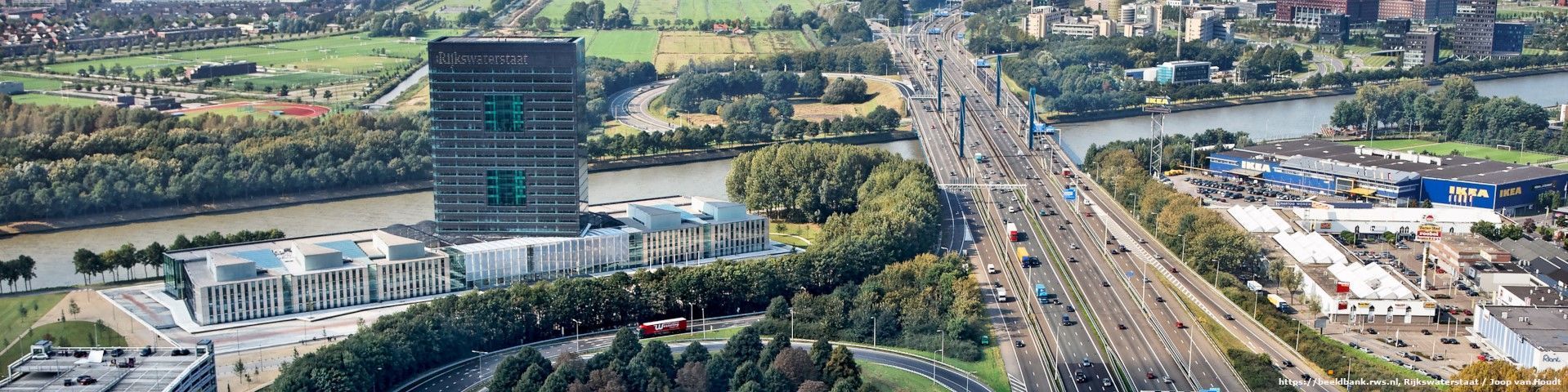
Branche: Government Agencies | Reading time: 4 min.
The Public Works Department (Rijkswaterstaat) has been using the Facilitor CAFM system for exactly 10 years. ‘It’s a system without unnecessary fuss, which makes it pleasant to use,’ says John van Doorn of the Public Works Department . ‘Moreover, Aareon, unit Facilitor is a company that sincerely shares its thoughts. Its people aren’t secretly trying to sell us all kinds of extra services.
We can trust Facilitor to provide the most suitable solution for us
Marijn & John
The Public Works Department
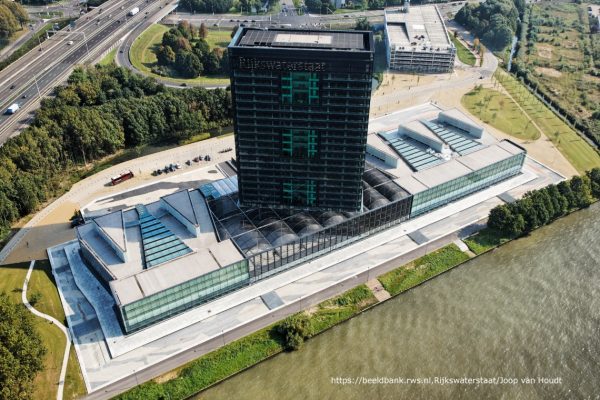
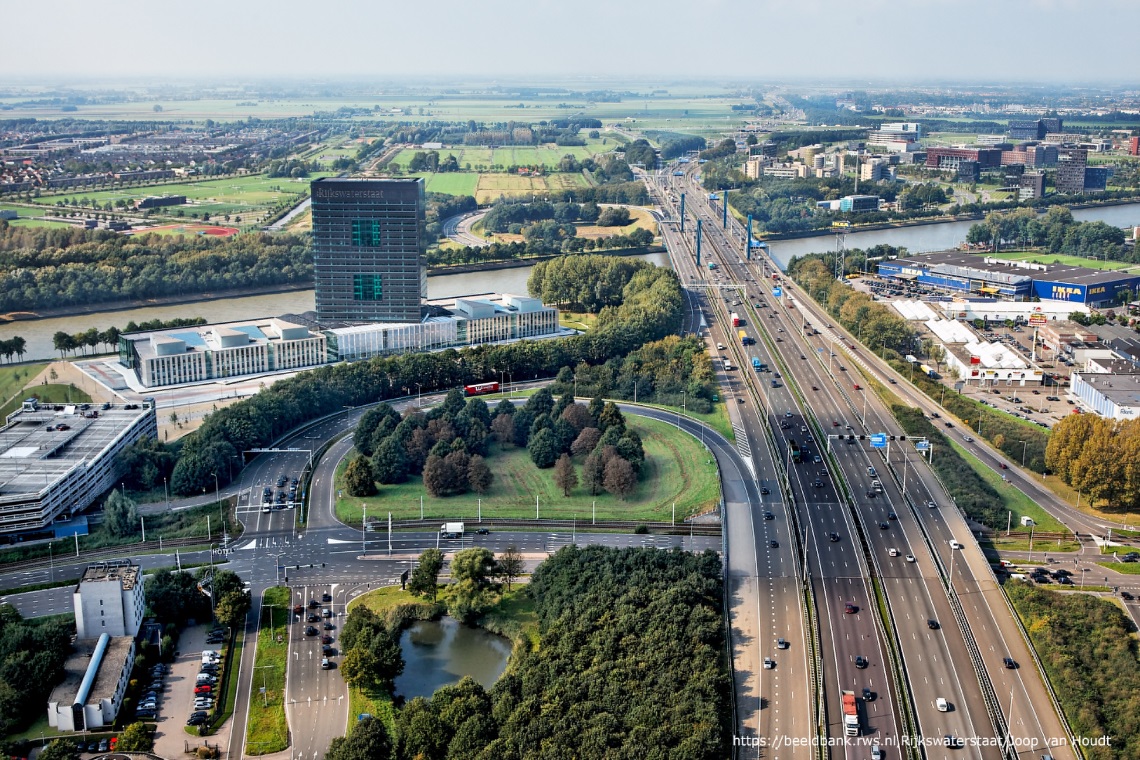
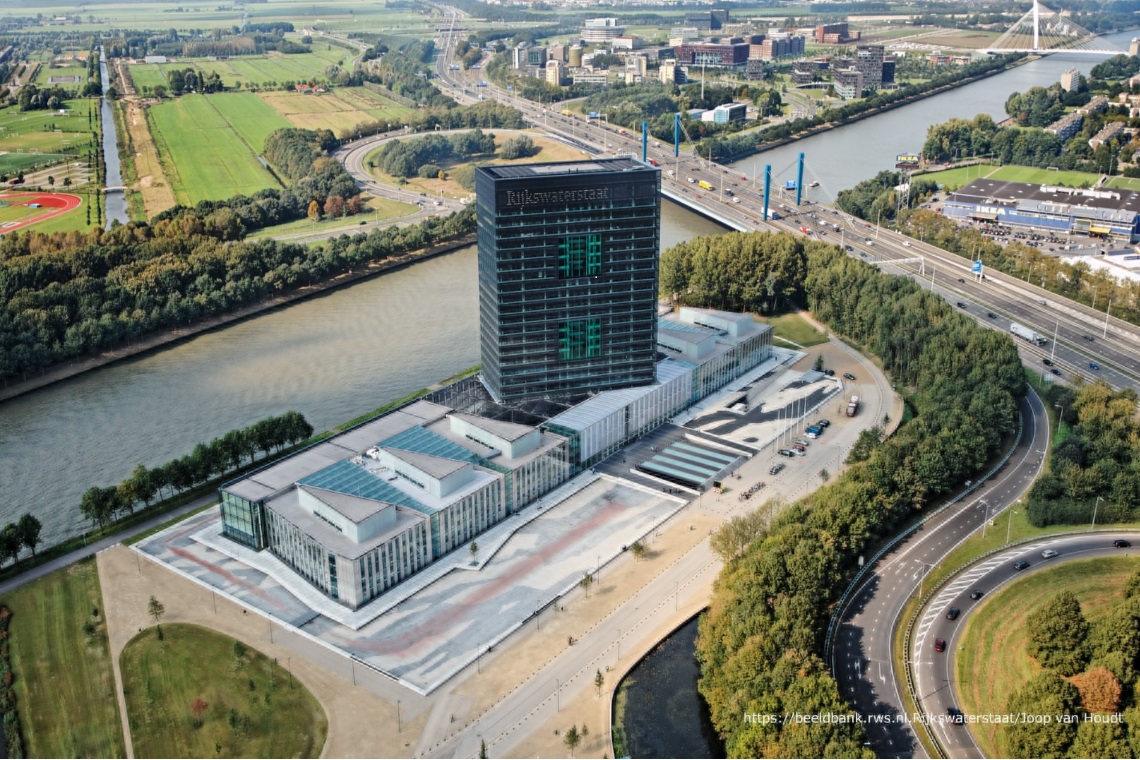
John van Doorn, coordinator of functional business operations, still clearly remembers the moment when the Public Works Department chose Aareon unit Facilitor as a partner ten years ago. ‘We chose Facilitor because it’s a system without too many bells and whistles,’ he says. ‘Facilitor isn’t overloaded with functions that make the system unnecessarily expensive and complicated. It’s an affordable system that simply works well.’
Facilitor has moved with the times over the years. ‘As users, we can always come up with ideas to improve the system,’ says Marijn Leben, senior business operations consultant at the Public Works Department. ‘We receive a new release three times a year, where we can see what improvements Facilitor has implemented, possibly in response to proposals by other users. We can use the improvements that are appropriate for us.’
John has also come up with some new ideas in recent years. ‘In 2009, for example, we proposed adding a customer satisfaction survey,’ he says. ‘It is satisfying to see that this is still included in the package, even though it’s now designed differently.’
The ICT ordering portal was also added later. ‘This is a simple method to request authorisations and things like phones,’ explains John. The manager automatically receives an e-mail to verify the employee’s request, after which the ICT supplier fulfils the request. The strength of this feature is its simplicity. Facilitor hasn’t made things more complicated than necessary, which makes it pleasant to use.’
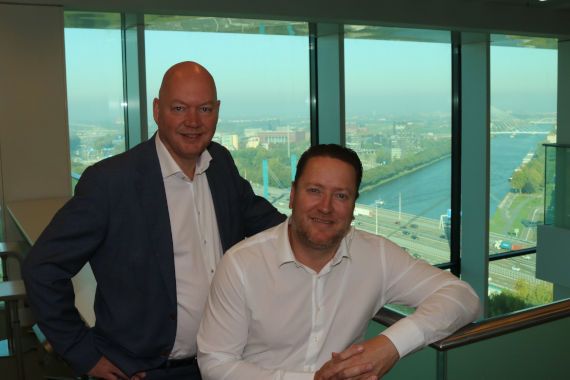
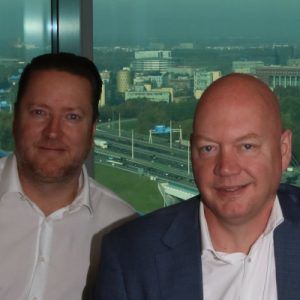
John van Doorn (left) and Marijn van Leben: ‘Facilitor is a business unit of Aareon that sincerely shares its thoughts with us. Its people aren’t secretly trying to sell us all kinds of extra services.’
John says that the success of a system also depends on how people use it. As an example, he mentions the Reservations module. This module shows the exact meeting rooms and facilities still available. ‘This module works well because it’s always up-to-date. It would be frustrating if you kept finding that the data in the system didn’t correspond to the reality. You might, for example, reserve a meeting room with a beamer, but then find out that the beamer isn’t available or not working. That’s why our facilities department insisted from the outset on the importance of continually updating the data in the system. They put a lot of energy into it. Facilitor is easy to use, so it is simple for everyone to make changes. Everyone now feels responsible for keeping the system up-to-date. Making changes has become a habit. It keeps the system up-to-date, without employees feeling that they have to put in a lot of effort.’
The Public Works Department also wants to use Facilitor at the KNMI
The Public Works Department now wants to expand the use of Facilitor to customers outside the Public Works Departments. ‘As the Public Works Departments, we’re responsible, together with three other government bodies, for the facility services of all government buildings,’ Marijn explains. ‘Recently, we were appointed as a facility service provider for the Dutch Food and Safety Authority (NVWA) and Royal Netherlands Meteorological Institute (KNMI). It’s logical that we support these activities with our own system.’ There has already been lots of work behind the scenes to make the switch to Facilitor. The KNMI had its own reporting structure, and contracts in force with suppliers. These have now been included in Facilitor. ‘It’s only during such a transformation process that you really notice how pleasant it is to work with a small organisation like Facilitor,’ says Marijn. ‘The helpdesk always responds quickly, and the consultants share their thoughts constructively. It makes you confident that you can successfully complete such a transformation together as a team.’
The functional layout has now been finished. The next step is to prepare the organisation for the change. John: ‘We face the challenge of communicating the benefits of Facilitor with KNMI, and giving instructions on how to use it. After that, the system can really be exploited.’
The Public Works Department chose Facilitor because it’s a system without too many bells and whistles
The public work department also wants to use Facilitor in other areas. For example, the organisation is going to examine if it can use Facilitor’s Long-Term Maintenance Plan. ‘We’re responsible for maintaining the public work department’s 1100 buildings,’ says John. ‘The maintenance programmes for these buildings are still kept in separate files and systems at the moment, so it would be nice to bundle everything in Facilitor. This would give us a clearer overview, and make it easier to keep everything up-to-date.’
Looking back over the past 10 years, John says that the partnership with Facilitor has helped him considerably. The main reason behind his appreciation for the partnership is the company’s genuine commitment. ‘Over the 10 years I’ve been working with Facilitor, I’ve never had the feeling that they just wanted to sell something. They share their thoughts sincerely and look for the best solution. That instils confidence, and you know that you will always end up with the best solution. ‘
The public work department has always been a big fan of Facilitor’s user days. ‘It’s useful to talk to users at other organisations,’ says Marijn. ‘Other organisations often struggle with the same problems. Sometimes, you just go round and round in circles. Chatting with another user sometimes gives you new ideas and helps you move forward. ‘John and Marijn also find it interesting to hear about the experiences of others with the system. ‘The last user day, for example, I spoke to someone from the RAI exhibition centre who uses the module to manage employees,’ says Marijn. ‘It was interesting to hear his views on the advantages and disadvantages he had experienced with this module. It gave me a good idea of whether the module could also be useful for us.’
By Maaike Tindemans, freelance journalist FACTO Magazine, publication Facto Magazine November 2018
Share this article