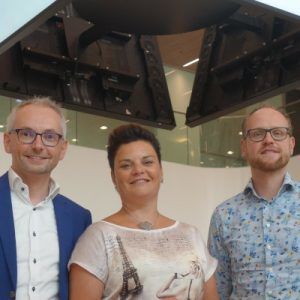
Roger, Rachel & Bart
Brightlands Chemelot Campus

Branche: Professional Services | Reading time: 3 min.
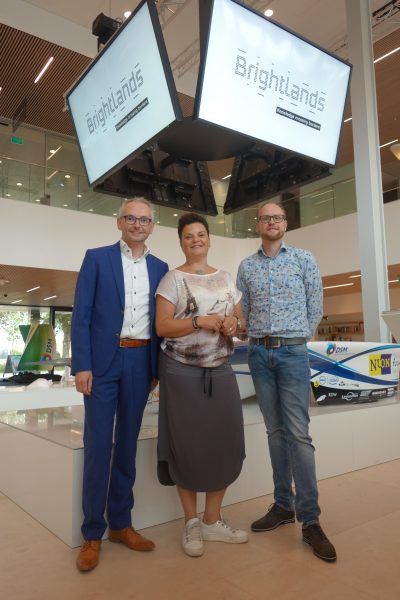
Brightlands Chemelot Campus has been using Facilitor as a CAFM since 2015 to keep facility processes running smoothly. Roger Quaedvlieg (information manager), Rachel Witter (services manager) and Bart Coumans (functional manager) share their experiences. ‘The system allows us to keep control of facility processes, and offers a wealth of insight into what’s going on in terms of accommodation and facility management.’
Roger, Rachel & Bart
Brightlands Chemelot Campus
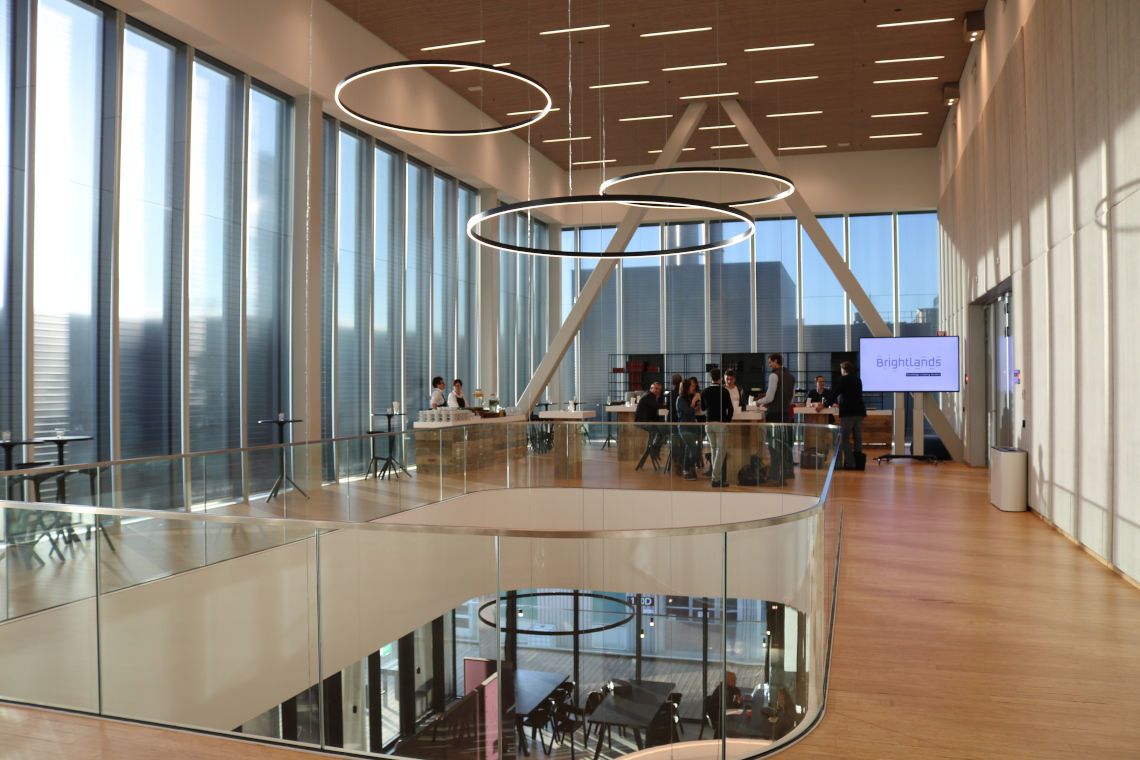
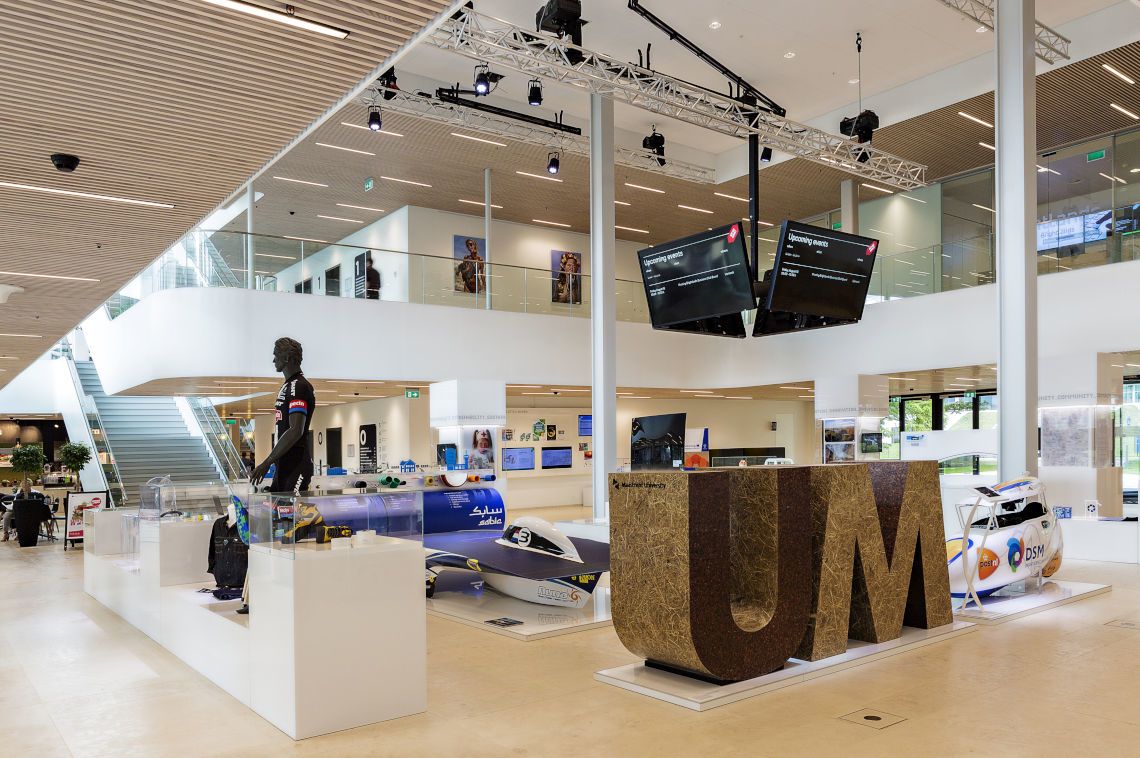
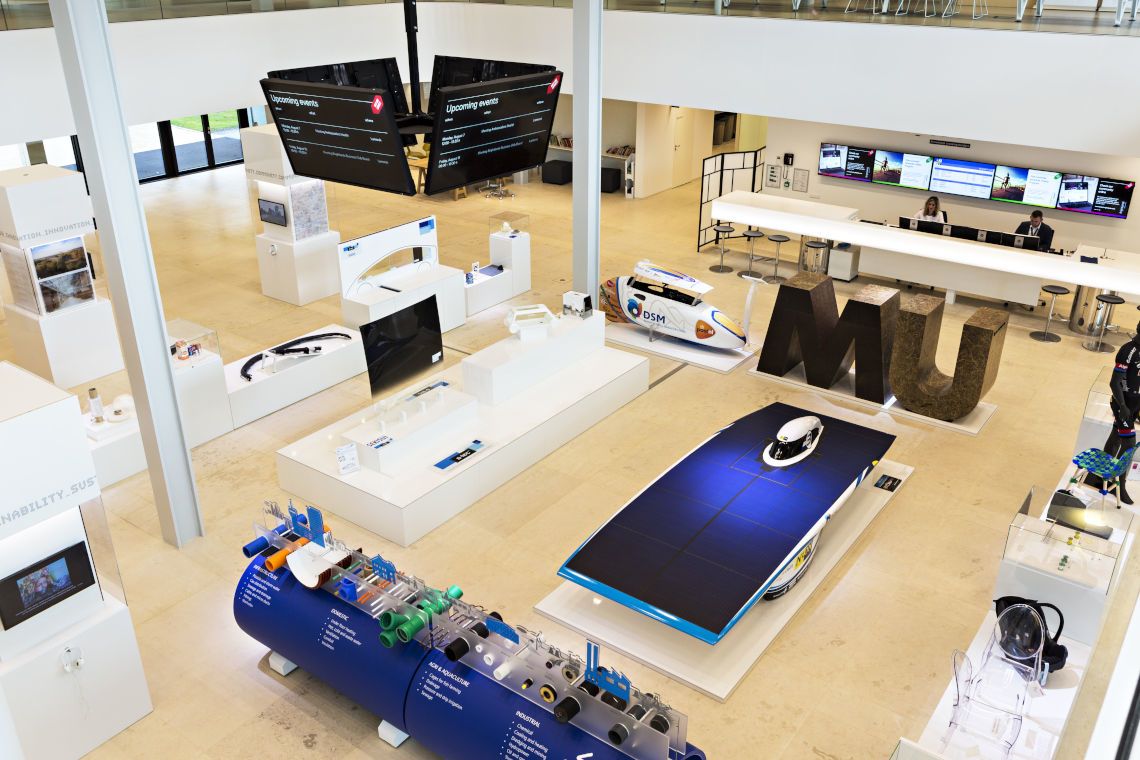
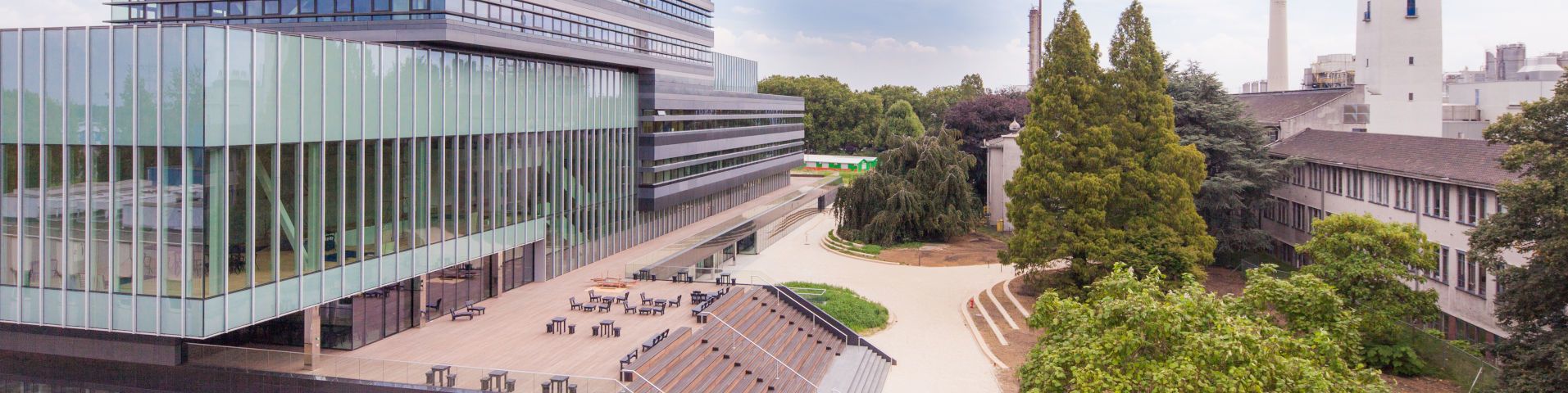
 It’s immediately clear to anyone approaching the Brightlands Chemelot Campus in Geleen (NL) by car from the A2 motorway that this isn’t a typical working environment. The campus is no freely accessible industrial estate with a few buildings, but a large, enclosed area with chemical factories, offices, laboratories, and research, education and meeting rooms, as well as leisure and sports facilities. The campus is designed as a modern R&D community, where 2,500 researchers, developers, entrepreneurs and students work on tomorrow’s chemical technology and products.
The facilities on the campus are arranged by the Brightlands Chemelot Campus organisation. It’s responsible for the construction, management and commercial exploitation of buildings. This includes providing building-related and site-related services. The Brightlands Chemelot Campus organisation employs about 60 permanent staff (FTE).
As services manager, Rachel Witter has been responsible for all soft services since August 2015.
In a few sentences, she sketches a picture of the daily dynamics on campus and the role of facility management. ‘We serve 80 different customers; big corporates, SMEs, pilot plant employees, and independent contractors who use the facilities. The spaces include cleanrooms, meeting rooms, restaurants, offices, laboratories, a pilot plant, and teaching areas. The Brightlands Chemelot Campus organisation provides hard and soft services to all our tenants.’
A stable and professional facility management information system is vital to implement and monitor the facility processes properly. Facilitor has been used on the Brightlands Chemelot Campus, since 2015. This modular CAFM (SaaS) supports the entire operational area of Facility Management, Purchasing, IT Service Management, Property and HRM. Facilitor was also used before 2015, although it was a result of the relationship with FM service provider Heyday (formerly AAFM) at the time. 7,000 KWIS alerts per year
The system is primarily used for processing an annual total of about 7,000 notifications (KWIS-alerts) concerning complaints, wishes, information requests or technical issues. All meetings and events are also requested and processed via the system.
The alerts are received by the service desk via various channels. For example, a tenant can create an alert in the self-service portal, or communicate an alert by phone or e-mail. In all cases, an alert is first assessed by a service desk employee.
If it concerns a standard alert, such as a technical issue, which is covered by normal service costs, it’s forwarded to the relevant supplier, who then carries out the work and signs off the alert in Facilitor. A Service Desk employee then checks whether the work has been carried out correctly. If it gets the green light, the supplier receives a confirmation of the cost and technical aspects, and can invoice the work. In the case of a customer request, the process is different: after the request is received, the first step is an approval procedure. The product or service is only delivered by a supplier after one or more quotations have been requested and the necessary authorisation obtained. The process is concluded with an invoice being drawn up and sent to the tenant. All this runs via the CAFM.
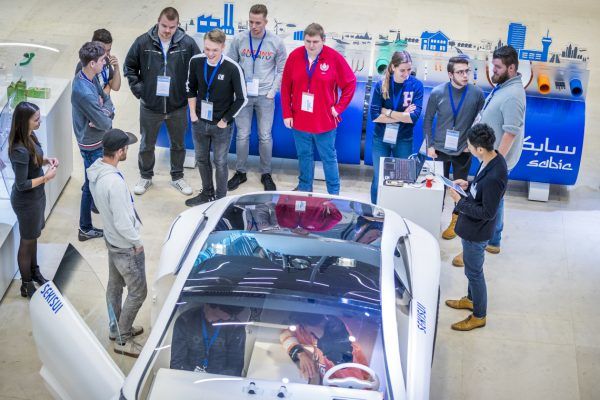
Brightlands Chemelot Talent Day. Photo: Marcel van Hoorn
Last year, we made enormous progress with the rental administration
Facilitor contains all the basic information, such as room number, square metres, and building number. ‘Although the system is designed very well, a continuous improvement process is ongoing,’ says Roger Quaedvlieg. As information manager, he’s responsible for the software applications that provide business operations with the very best support. ‘Last year, we made enormous progress with the rental administration. For example, special wishes are now invoiced automatically. We’re already working on another new improvement. Currently, the basic rent paid by tenants depends on the number of square metres. The next step is to use an automated process to link the rates charged for certain additional facilities to the number of employees working for a tenant.’
This offers advantages to tenants, as they will receive clearer invoices with more information, adds Bart Coumans, functional manager at Brightlands. ‘At the moment, a tenant receives an invoice with a single sum under the ‘Facilities’ heading. In the new situation, that invoice is broken down, so tenants can understand the composition of the fees better. In addition, it makes it easier for us as the campus organisation to see what we’ve delivered and the added value of our services.’
Another example of an improvement that could be implemented soon concerns invoicing tenants’ Internet connections. ‘That is currently carried out manually via the financial administration, but it would obviously be easier if it was arranged automatically by the contract management module in Facilitor. It could then be linked to the number of square metres and users, for example’
There are several ways the system can be changed. As functional manager, Coumans can make minor changes at the functional level himself, but the supplier is the right party for changes at software level. Coumans: ‘In addition, the core of the application could be changed. In this case, it’s up to Facilitor to determine how this is handled, and how the costs are ultimately distributed.’
A wish for the near future is to further enrich the knowledge base in the CAFM
The general management reports are partly compiled with information from the system, says Quaedvlieg. ‘We receive data from the system about a number of essential matters. These are processed automatically in a reporting environment based on Microsoft Power BI. We decided to use this method because we can combine reports from different applications with Power BI.
A wish for the near future is to further enrich the knowledge base in the CAFM. Witter gives an example of why that would be a step forward: ‘How do you organise things in such a way that everyone who needs to know is aware that supplier X is no longer allowed in building Y from now on? Or, how do you make sure that everybody is aware of all the processes, or deviations from them? It would be very useful to record things like this in the knowledge base, so that’s something we’d like to improve further in the near future.’
A concrete expansion is already planned for Q1 2019, when the Facilitor visitor module will be taken into use. From that moment on, every visitor who is registered will receive an e-mail with a link to a safety instruction in advance, and a request to view this instruction before their visit. The visitor is then given a QR code that grants access to the site on a specific date. The interface between the access control system and Facilitor that is required for this is currently being configured. ‘This new solution helps improve the visitor experience,’ Witter concludes.
By Gerard Dessing, editor-in-chief of FACTO Magazine, publication November 2018
Share this article