Ron & Eline
Brightlands Smart Services Campus

Branche: Professional Services | Reading time: 3 min.
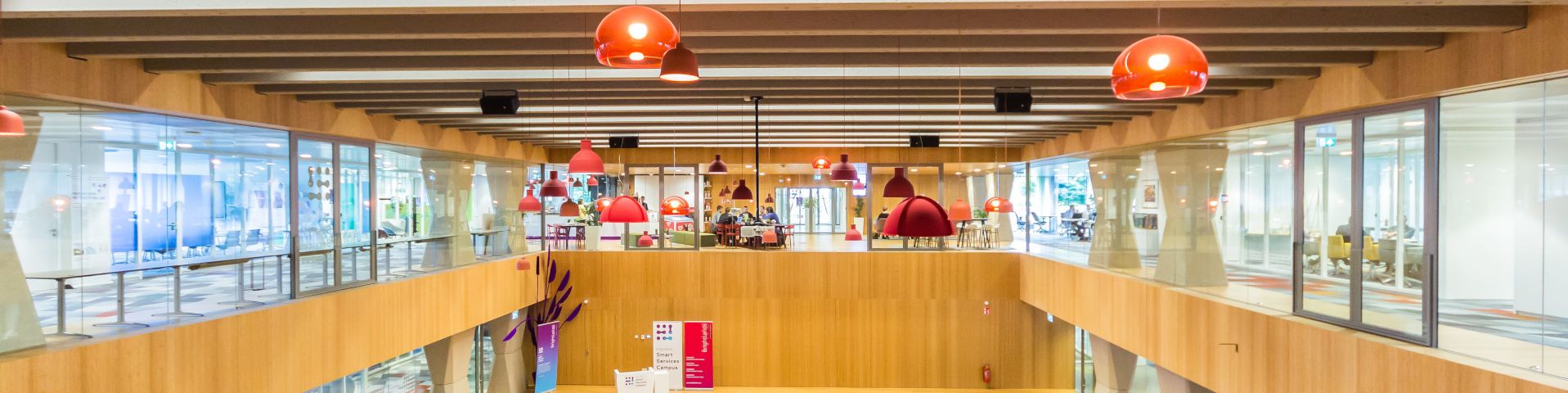
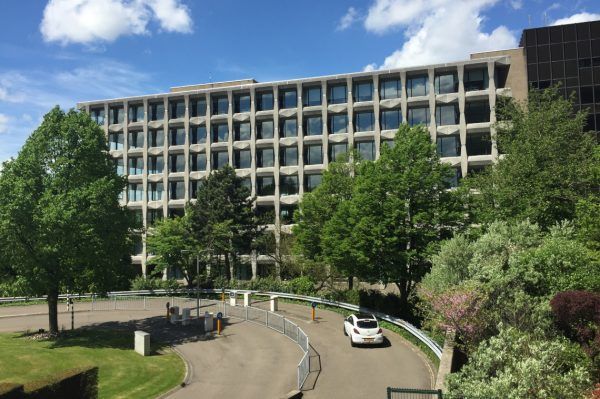
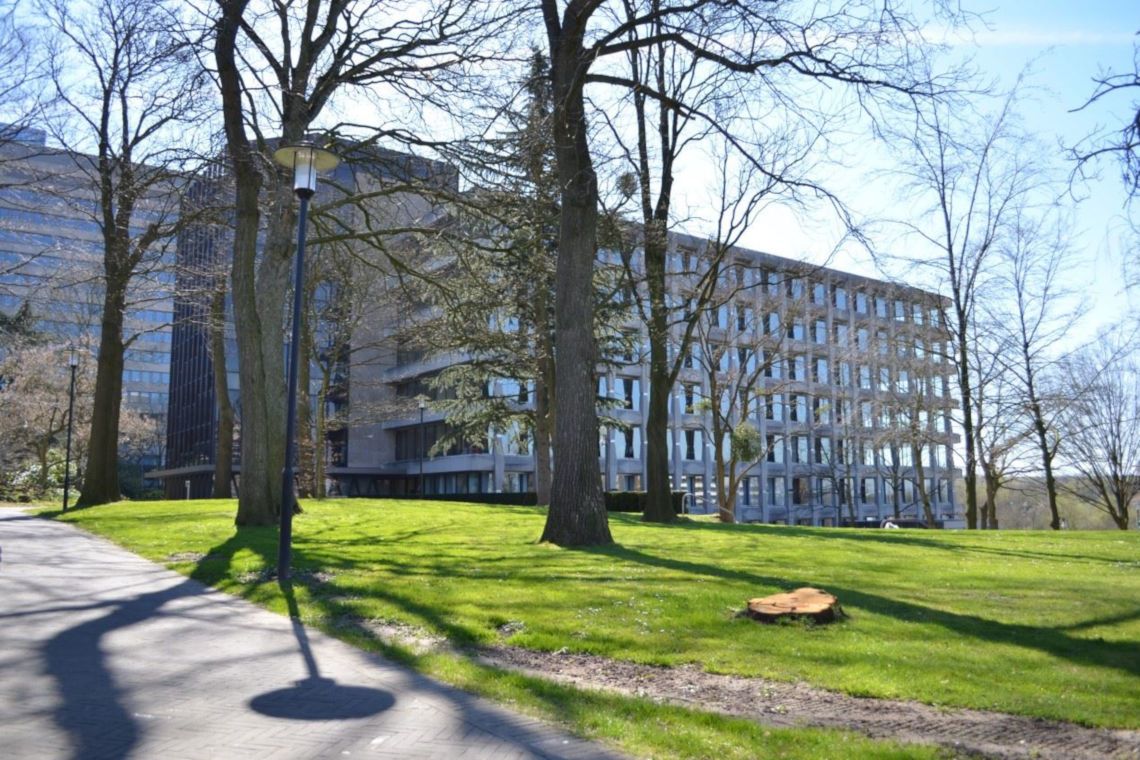
Brightlands Smart Services Campus is one of the four campus sites of the Brightlands knowledge region in Limburg. In this multi-tenant environment, established companies, institutions, start-ups, students and researchers are grouped together in one of the world’s leading locations for smart services. The secret is constructive mutual cooperation, both on campus and with visiting stakeholders. Facilitor’s CAFM plays an important role in creating the conditions for good cooperation. So, how exactly does software promote cooperation?
Ron & Eline
Brightlands Smart Services Campus
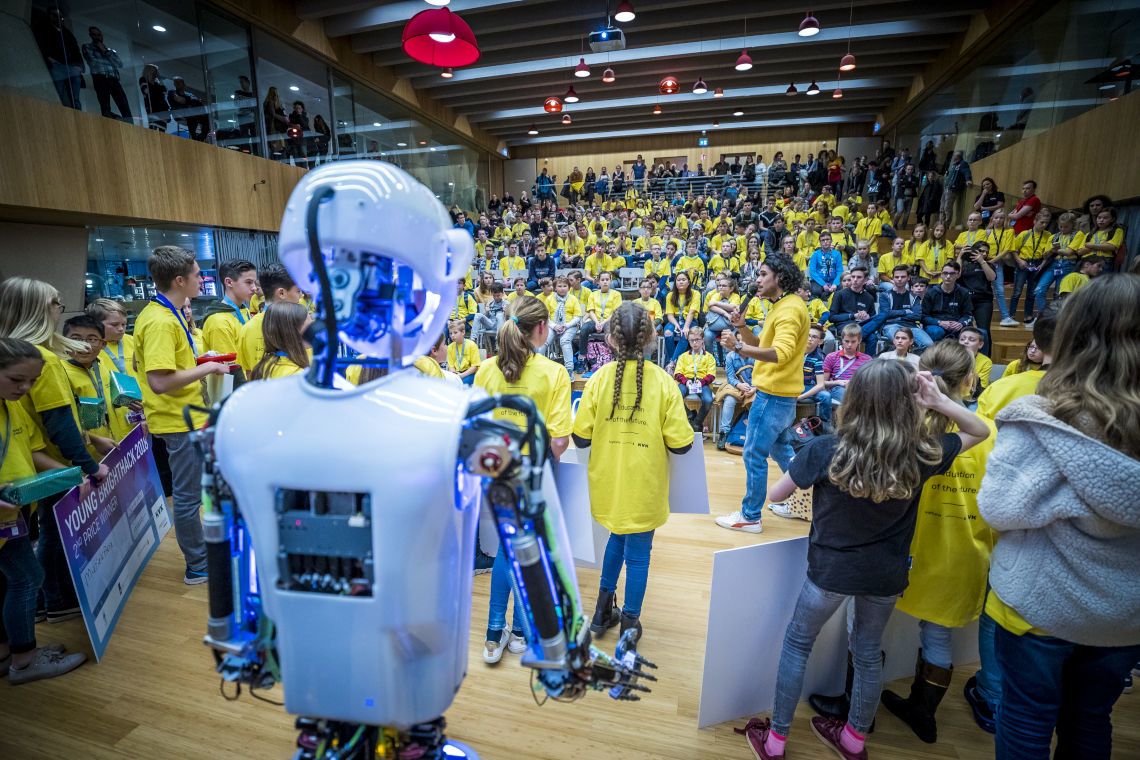
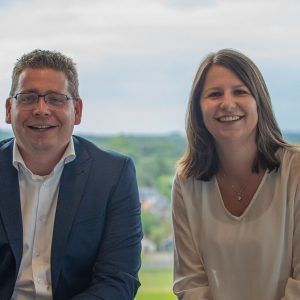
With some 2,100 ‘campus residents’ and 80 companies and institutions, mutual communication is an essential condition for creating an ecosystem that promotes cooperation. The campus therefore consciously decided to let Facilitor function as a ‘source system’. IT and facility managers Ron Smeets and Eline van Loon explain: ‘Everyone who works on campus uses Facilitor. We use an active directory, just like other users, except we retrieve data from Facilitor and don’t push it to Facilitor. That means all the data is transparent and accessible in a single CAFM. Even Wi-Fi can be arranged via Facilitor.’
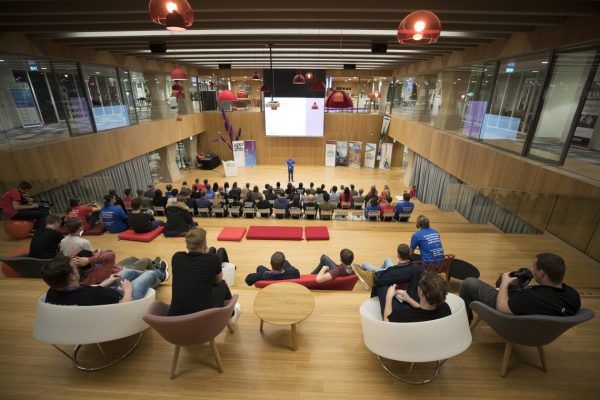
Heart of the campus
This makes it easy to use for everyone on campus: ‘No other systems are involved, so there’s no risk of important information being missed, not communicated, or misinterpreted. It means we can maintain an overview as facility managers. The information that users retrieve from Facilitor, from supplementing lists of employees to changing the catering catalogue, must remain relevant and up-to-date. This also makes it essential to use Facilitor.’ According to Ron, the ease of use that results from using CAFM as a source system also indirectly affects the cooperation on campus: ‘Every company on campus is actually interested in co-creation. If all residents register information about what is happening on campus in the correct, and only way, it makes things a whole lot easier.’
Mutual communication is essential for promoting cooperation
Eline says that the basis of what and how much they do doesn’t differ much from other Facilitor users: ‘Other companies are equally concerned about employees who reserve a meeting room, and registering visitors. In that sense, we don’t do things much differently. What does differentiate us is that we deal with multiple hubs that work independently of each other, but also want to find each other quickly if necessary. This is exactly what Facilitor does for us, especially because we decided to use Facilitor as a source system.’
This interest in ease of use is well-founded: ‘In an environment where fast-growing companies want to innovate at the highest level, you have to deal with high expectations. These apply to every area, including facilities. To meet those expectations, we wanted to ensure that the entire customer journey to achieving this cooperation was in order. We use a total of ten modules to manage all our facility processes. In my opinion, the Reservations and Visitors Desk modules are the ones that play a key role in promoting this cooperation.
Together, according to Ron, they form the customer journey: ‘That customer journey starts with registering visitors correctly. If you want to fulfil all the conditions for promoting cooperation, then arriving on time and knowing where to go is extremely important. After registering, visitors therefore receive an e-mail from the parking management system with directions to the correct location on campus. This is useful, but it’s above all a precautionary measure that prevents stakeholders or others from becoming frustrated and impatient. In any case, that’s not the first impression that you want to leave as a high-tech region if entering into a partnership is imminent.’ The customer journey continues: ‘Reception knows exactly what appointments have been made that day, and can see all the instructions that residents have indicated on campus in Facilitor. This guides visitors efficiently to the meeting area or information meeting.’
Mapping the customer journey is necessary to meet high expectations
The Reservations module also deals with all kinds of aspects: ‘Besides registering visitors, being able to reserve a room is another important condition for promoting cooperation. Where is a room available at a certain time? What presentation tools are needed? Is lunch included? Residents can record all these details in detail. All the facility staff involved receive an alert in their Facilitor environment about what needs to be arranged and when. The same principle applies to organising events. An event can be planned in Facilitor down to the details. For example, if you’re receiving a delegation from Japan, you can arrange sushi for lunch in Facilitor with the greatest of ease. Researchers and entrepreneurs don’t want to waste time on these things. I therefore view Facilitor as an indispensable lubricating oil that researchers, teachers and entrepreneurs can rely on to ensure matters are simply arranged and recorded. Some details are still discussed with the event manager, but Facilitor remains an important basis for all residents.’
Ron is also looking ahead: ‘We’d like to add the service desk module. Residents would then be able to indicate if, for example, a lamp isn’t working in Facilitor. The ticket created would be sent directly to the supplier. This has less to do with promoting cooperation with visitors, it’s more related to mutual cooperation on campus. Ron explains: ‘As facility managers, we’ve got a lot of control over almost everything. Even so, it’s impossible to monitor whether every lamp and screen is working. In a certain way, this can also hinder cooperation. That’s something we want to avoid in an environment where success depends on speed. We’d like to use the Service Desk module to notify suppliers immediately as soon as something has to be repaired or replaced. This also saves us an enormous amount of time in terms of managing the buildings, as there would be 2,100 extra pairs of eyes helping out.’
Ron also expects a different invoicing method to save a lot of time: ‘We get 800 reservations every year, and 600 of these are subject to a fee. At the moment, we still have to retype a lot of data manually. With the Invoicing module, we can have those invoices issued by Facilitor. That will save us the time we currently spend on drawing up invoices.’
Brightlands Smart Services Campus is part of Brightlands, an open innovation community consisting of 4 campuses where scientists, entrepreneurs, students and investors work together on the major challenges in sustainability and health. Brightlands Smart Services Campus is mainly focused on developing and facilitating a community that can convert data into smart services. The founding fathers of the campus are APG, Maastricht University and the Province of Limburg with the Municipality of Heerlen as strategic partner.
By Marieke Stokkelaar, Open Up Communicatie, publication November 2019
Share this article